
New Home Construction Overview

Finance and design are are somewhat interconnected due to costs being a factor into design and the amount of financing required for the project.
Whether you are building your own home choosing the right architect is vital to a successful project. Architecture firms come in a variety of sizes and types. The statistically average firm is made up of 9 or 10 people; many firms are smaller. The benefit to a larger firms is that it will in-house engineering (structural, mechanical, electrical, etc.) or other design disciplines (planning, urban design, landscape architecture, interior design, etc.) Smaller architects will outsource specialty areas to appropriate consultants. Each architect brings his or her own combination of skills, expertise, interests, and values to a projects. All good architects will listen to you and translate your ideas into a viable construction project. The design process is where you’ll want to materialize that “wish list” of all the things you would like to include.
Another alternative is to buy a home design or plans. Just about homes plans of every shape and size can be purchased and significant savings can be made this way. IF the plans are close but not exactly right, you can discuss these with the builder. Most builders can easily accommodate non-structural changes – two to three revisions are average for most new home projects.
To finance this project you will need a construction loan. Construction loans are story loans. That means that the lender has to know the story behind the planned construction before they’re willing to loan you money. Because it’s a story loan, it’s not going to be standardized like mortgage loans underwritten to Freddie Mac or Fannie Mae guidelines. That said, there are some common features to a construction loan. Construction loans typically require interest-only payments during construction and become due upon completion. Completion for homeowners means that the house has its certificate of occupancy.
Construction loans are usually variable-rate loans priced at a spread to the prime rate or some other short-term interest rate. You, the contractor and the lender establish a draw schedule based on stages of construction, and interest is charged on the amount of money disbursed to date.
Most banks provide this type of financing. If your bank does not provide construction loans, talk to your builder and architect and find out who they have had good experiences with.
This is the stage which will “appear” to be the most productive. This illusion is because this is the time your home visually takes shape!
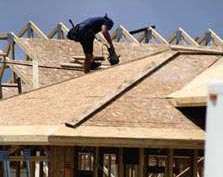 The following takes place during this phase: the rough framing carpentry and exterior siding; the mechanical systems rough-in (heating and air conditioning); rough-in for plumbing, gas, wastewater, electrical,telephone, television and any special wiring requirements; installation of roofing material; and insulation. You will want the pre-drywall inspection to happen here. An experienced inspector such as ourselves will be able to determine if shortcuts were taken or shoddy materials were used.
The exterior finish work will include a multitude of things to happen. Completion of exterior trim and all other required carpentry, such as applying decking materials, hand and guard rails. Application of cultured stone or stucco treatment. Painting, staining or any other detail work to bring your home to the desired look. Final grading and creation of driveway(s) or walkway(s) are given the attention needed to achieve the desired end result, making your home accessible and inviting.
Next the interior of your home really starts to take shape and becomes more visible. Drywall and/or wood treatments are completed, as well as finish carpentry and trim. Painting and/or staining brings the finished product closer to view. Electrical and plumbing fixtures are installed and everything is quality checked along the way. Installation of custom ceramic tile features take place, as well as wood or tile floor installation and carpeting.
 It is final inspection time. Most builder expect a “punch list” of things you will discover in the initial weeks of move-in that will require their attention. However the best time to deliver this punch list is before you close on the property. This is when you have the most leverage and can get a firm commitment on when the items will be fixed. We recommend a final inspection just before your final walkthrough is scheduled with the builder.